
A furniture subtotal is not a move-in budget. Room-by-room budgeting is more defensible than a square-metre allowance, but only when shared fees, landed costs and installation charges reconcile to one project total. The limitation is equally clear: no reliable total can be quoted without a destination city, measured room schedule, pricing date and current supplier quotations.
What assumptions must be fixed before pricing a villa interior design budget?
A defensible villa interior design budget starts with the destination city, currency, tax jurisdiction, pricing date, property status, measured room schedule, household size, quality tier and move-in deadline. These inputs determine availability, delivery, installation, import exposure and whether the estimate covers furniture or a complete fit-out.
| Decision | Confirmed input | Unresolved risk | Budget effect | Evidence owner |
|---|---|---|---|---|
| Location and money | City, currency, tax treatment and pricing date | Tax excluded, exchange rate unstated or quotation expires | Changes payable cost and import exposure | Client, accountant and suppliers |
| Property status | Leased, purchased, renovated or developer-finished | Fixtures and alteration rights unclear | Creates duplication, approvals or reinstatement costs | Owner, landlord or developer |
| Measured schedule | Plans listing every room, corridor, stair and outdoor living area | Windows, walls or access routes unmeasured | Causes quantity errors, remakes and failed delivery | Designer or surveyor |
| Occupancy | Adults, children, guests, pets, staff and storage needs | Guest capacity or staff accommodation omitted | Changes seating, beds, dining places and finishes | Household |
| Accessibility | Mobility, reach, transfer and work-surface requirements | Furniture blocks usable circulation | May require different layouts or custom work | Household and qualified local adviser |
| Programme | Move-in date, installation date and quotation validity | Lead times extend beyond occupancy | Adds temporary goods, storage or expedited freight | Procurement lead |
| Scope boundary | Furniture, lighting, curtains, rugs, art, electronics and household goods | Essential categories sit outside the subtotal | Understates cash required before move-in | Client and designer |
| Retained goods | Items to relocate, store, sell or replace | Condition, dimensions or transport cost unknown | Changes purchasing, repair and removal allowances | Household and mover |
A villa budget must distinguish furniture from property-specific fit-out
Portable sofas, tables, beds and lamps can move to another property. Made-to-measure curtains, fitted joinery, wall finishes, hardwired lighting and electrical alterations depend on the present villa and may remain behind. Each line therefore needs a portable, reusable, fixed or property-specific classification.
Lease and purchase documents must identify what the landlord, seller or developer supplies, which alterations require written consent and whether reinstatement applies. The household should define the villa interior design service scope before fit-out so furniture procurement, site works and project management do not overlap.
Accessibility belongs in the room schedule rather than a later adjustment. As a design reference, the U.S. Department of Justice 2010 ADA Standards specify a 30 by 48 inch wheelchair clear space and place accessible dining or work surfaces 28 to 34 inches above the finished floor. Local requirements govern the destination property, but these reference dimensions expose conflicts before ordering.
The selected quality tier must use comparable specifications
Labels such as premium and luxury cannot support a capital plan. Each category needs comparable specifications: frame construction and upholstery performance for seating; substrate, veneer and hardware for casegoods; fibre and construction for rugs; fabric, lining and operation for curtains; output and control requirements for lighting; and size, support type and warranty for mattresses.
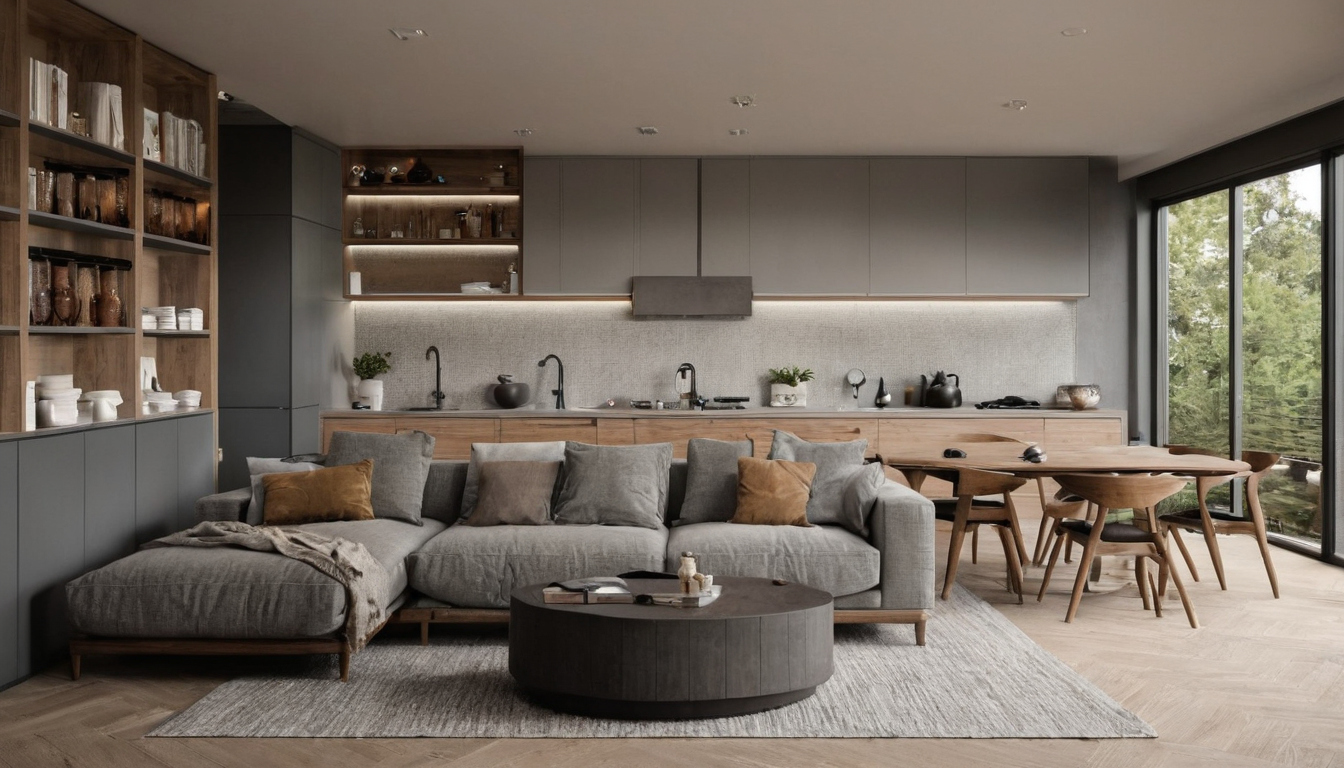
What assumptions must be fixed before pricing a villa interior design budget shown as an editorial reference for proportion and finish coordination.
Sourcing assumptions must identify local, regional or imported supply by category, with origin, warranty and performance held constant across quotations. For applicable products, ENERGY STAR states that qualified LED lighting uses at least 75 percent less energy and lasts up to 25 times longer than incandescent lighting. That claim supports a specified qualified LED product, not an unspecified lighting allowance.
Signed assumptions establish the scope. The next control is deciding which cost columns must appear in every room budget.
Which cost columns belong in every room-by-room villa budget?
Every room needs fields for product price, quantity, freight, delivery, assembly, installation, tax, professional fees and contingency, supported by supplier, currency, quotation date, lead time, approval status, payment status and forecast cost.
Product allowances must be separated from landed and installed costs
A showroom subtotal is not move-in cash. Use consistent room and item codes so quotations, invoices, payments and installation records remain traceable.
- Identification risk: Record room code, item code, description, supplier, quantity, specification and approver. Packages should list their components rather than hide them under one furniture line.
- Price risk: Show product price, supplier currency, quotation date, validity date and lead time. For imports, record the exchange-rate source, date, applied rate and approved currency reserve.
- Tax risk: Mark each quotation as tax-inclusive or tax-exclusive. Separate sales tax or value-added tax, customs duty and recoverable amounts according to the destination jurisdiction.
- Logistics risk: Separate origin freight, customs brokerage, handling, receiving, storage, final delivery, assembly, installation, protection and waste removal. Landed-and-installed cost means the amount required to place a complete, usable item in its assigned room.
- Fee risk: Separate design, procurement, project management and reimbursable expenses. Discounts and commissions must not obscure the household’s net cost.
- Cash-flow risk: Record deposits, progress payments, balances, due dates, paid amounts and remaining liabilities.
Status fields also need fixed meanings. An allowance is an unquoted planning amount. Quoted means a dated supplier offer exists. Provisional means scope or quantity remains unresolved. Committed means an order or contract has been authorized. Paid means cash has cleared. Forecast means the expected final cost after known changes.
Shared costs need a documented room-allocation rule
Whole-villa charges should follow one declared method: direct attribution where evidence exists, product value for procurement fees, labor hours for installers, shipment volume for freight and storage, or floor area for general protection and cleaning. Surveys, receiving, project management and waste removal require the same treatment.
The control test is simple: room subtotals plus any explicitly unallocated project reserve must reconcile to the project total. Once the columns reconcile, the room schedule can show what the household is actually buying.
What should the villa interior design budget include in each room?
The room schedule should price every space from a measured furniture plan, not a generic cost per square metre. Each allowance must reflect occupants, hosting capacity, windows, electrical points, storage, installation and lead times.
Reception, dining, and entertaining rooms require capacity-based quantities
Public-room quantities start with everyday and event seating capacity. Record doors, windows, ceiling heights, outlets, switches, air-conditioning grilles and fixed joinery before specifying sofas, chairs, tables, rugs, consoles, media units, lighting, curtains, art and accessories. Use these dimensions to build a measured luxury living room furniture plan rather than buying a package that blocks circulation or misses the required seat count.
Dining allowances need table capacity, chair quantity, sideboard storage, pendant position and serving clearance. For high-value categories, compare current quotations or published deliverable prices while holding size, material and quality tier constant.
Bedrooms and the home office need occupant-specific schedules
Each bedroom requires a named occupant or guest-use assumption, bed and mattress specification, bedside storage, wardrobe provision, reading light, blackout treatment, linen quantity and luggage space. Move-in-critical mattresses and window treatments need confirmed stock and destination lead times.
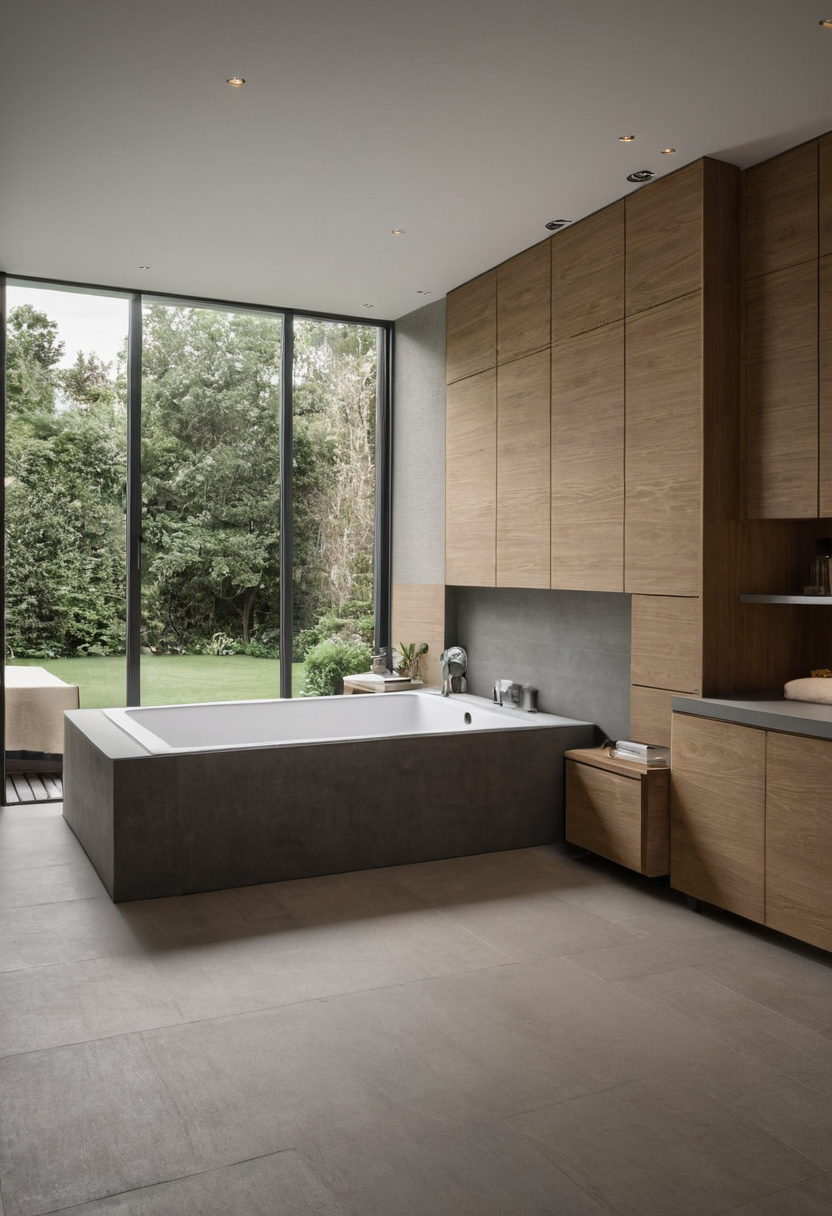
What should the villa interior design budget include in each room shown with floor, wall, and fixture relationships visible.
The home-office schedule should state user count, desk dimensions, ergonomic chair specification, filing, power, data and video-call needs. Installation planning must also address finishes. The U.S. Environmental Protection Agency identifies paints, varnishes, waxes, cleaning products, building materials and furnishings as common indoor VOC sources and recommends increased ventilation while VOC-emitting products are used indoors.
Entrances, corridors, stairs, and service spaces must not remain unpriced
Circulation and service schedules should cover the entrance, landings, corridors, stairs, laundry, pantry and staff rooms. Price runners, stair fixing, mirrors, consoles, wall lights, storage, wall protection and installation access. Households should check console and mirror dimensions before ordering.
Landlord restrictions, handrails, egress routes and electrical limits may alter proposed items. Once each space has a complete schedule, vendor and professional charges must be added outside the furniture price.
Which vendor and professional fees sit outside the furniture price?
Furniture prices commonly exclude design, procurement, shop drawings, samples, measurement, receiving, storage, delivery, assembly, specialist installation, electrical work, curtain fitting, styling, snagging, cleaning and waste removal. Each service needs a destination-city quotation.
Design fees and procurement fees must not be counted twice
Each proposal must identify who specifies, orders, tracks, inspects, installs and resolves defects.
- Confirm the fee basis: Record any fixed fee, hourly rate, percentage fee, product markup, supplier commission or stated combination.
- Audit commercial terms: Record trade discounts, rebates, expenses, revision limits, minimum orders, cancellation charges and defect-claim administration.
- Assign responsibility: Name the client, designer, contractor, supplier, freight forwarder, warehouse and installer responsible at every handover.
A responsibility matrix exposes duplicate administration charges and unpriced tasks before deposits have been paid.
Delivery and installation quotes must reflect actual villa access
A delivery allowance based only on order value is weak. The logistics quotation should use a site survey covering gates, doorways, corridors, stairs and lifts, plus loading distance, parking restrictions, access bookings, deposits and permitted working hours.
- Price receiving, inspection, consolidation, storage, insurance and final-mile delivery separately.
- Record call-outs, overtime, floor protection, packaging removal, return visits, special handling and hoisting requirements.
- Confirm which locally qualified trades are required for lighting, power, wall fixing and ceiling fixing.
- State who insures goods during freight, storage, delivery and installation, including the point when risk transfers.
For imported goods, the International Trade Administration explains that Incoterms clarify buyer and seller responsibilities for shipment, insurance, documentation, customs clearance, costs and risk. The purchase order should state the applicable term rather than treating freight as a complete delivered cost.
After external fees become visible, the reserve can be based on identified risks instead of an arbitrary uplift.
How should contingency and risk allowances be calculated before move-in?
Contingency should follow identified uncertainty, not an unexplained percentage. A villa using local, in-stock products needs a different reserve from one dependent on imported custom furniture.
The risk register should record measurement changes, freight, currency movement, damage, substitutions, storage, delayed handover, rushed installation and corrective work. Each entry needs a probability, estimated cost effect, owner, mitigation action and reserve treatment. Keep design-development, construction, procurement, logistics and currency allowances separate so one overrun does not hide another.
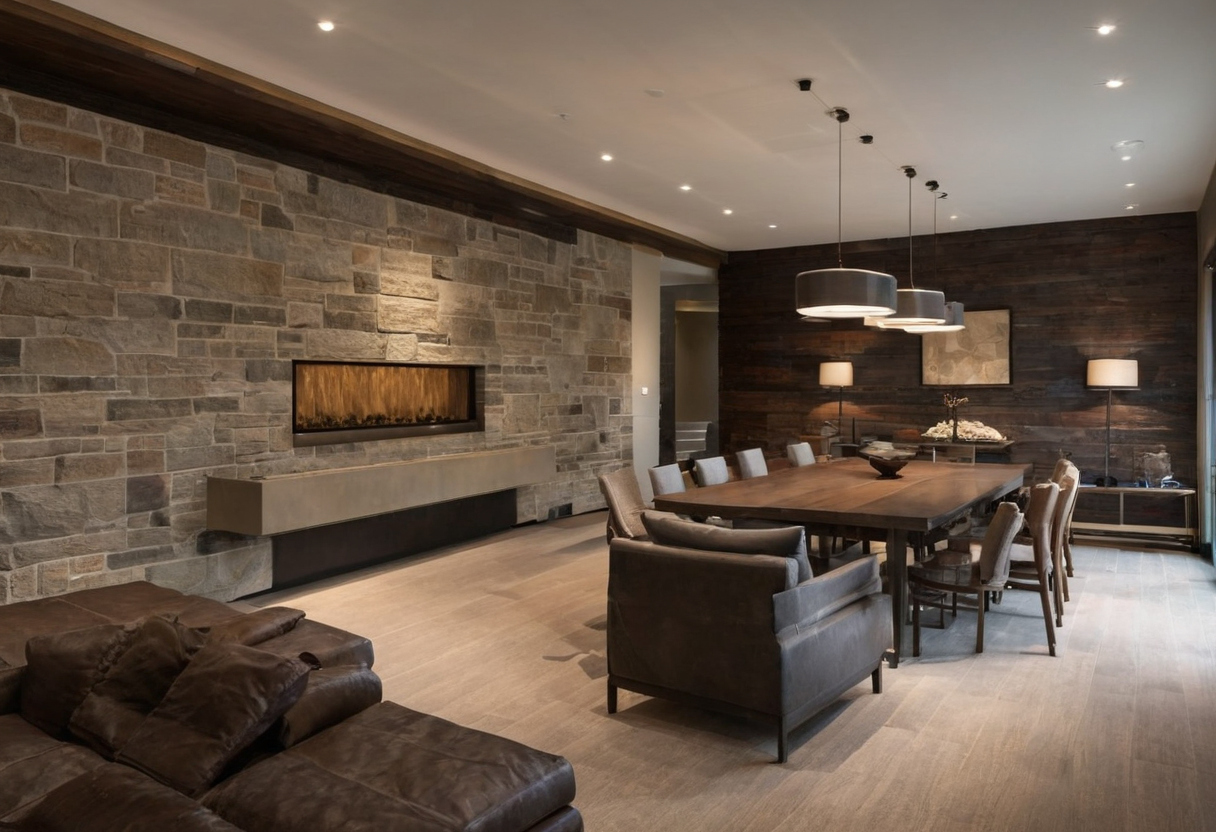
How should contingency and risk allowances be calculated before move-in shown with floor, wall, and fixture relationships visible.
Imported and custom items require separate schedule and currency reserves
Each imported or made-to-order purchase should record manufacturing time, shipping method, replacement time, purchase currency, budget exchange rate, customs estimate and tariff classification. Currency exposure should be tracked by purchase order rather than buried in general contingency. Storage and redelivery remain separate risks if the villa handover date could move.
Move-in-critical items need approved fallback products
Beds, mattresses, essential seating, dining capacity, window privacy, functional lighting and required office equipment need a latest order date and switching deadline. Each fallback needs a confirmed local price, dimensions, specification, stock date, delivery commitment and named approver.
Unused contingency should be released only after the related delivery, installation and defect period close. Reserve use should require a documented event and approval against its cost code. The final control is tracking those decisions to move-in.
How should the villa budget be approved and tracked to the move-in date?
The approved budget should connect every room item to a decision date, purchase order, payment milestone, delivery date and responsible party. Track baseline, committed, paid, forecast and variance values separately.
The room budget must show baseline, committed cost, and forecast final cost
Baseline is the approved budget. Committed cost covers signed orders and contracts. Paid cost records cleared payments. Forecast final cost combines commitments, expected uncommitted purchases and unresolved changes. Variance equals forecast final cost minus baseline. Remaining contingency equals approved contingency less funded risks and changes.
- Build the procurement programme backward from move-in, assigning approval, order, production, delivery and installation dates to each item code.
- Update the order register and cash-flow schedule weekly during procurement and installation, including deposits, taxes, delivery balances and professional fees.
- Set room-level and category-level variance thresholds. A breach should trigger named approval before a substitution or budget transfer proceeds.
The pre-move-in sign-off must verify function as well as appearance
The change record should show the original allowance, approved change, reason, funding source and schedule effect. Final inspection should test the installed result against that approved record, not presentation drawings alone.
- Check quantities, position, stability, operation, damage, curtain movement and lighting controls.
- Log defects with an owner and resolution date. Confirm final cleaning, packaging removal and access for return visits.
- Hand over controls, spare materials, finish samples, care instructions, invoices and warranties.
Approve move-in only when the room schedule, snagging register and forecast final account reconcile, with every unresolved item assigned to a person and deadline.
Villa interior design budget FAQ
How much should an interior designer charge per room for a villa?
A defensible fee cannot be set per room without scope. Request a proposal separating concept design, drawings, specifications, procurement, site visits, installation management and reimbursable expenses. Compare the net payable fee and deliverables, not the headline rate alone.
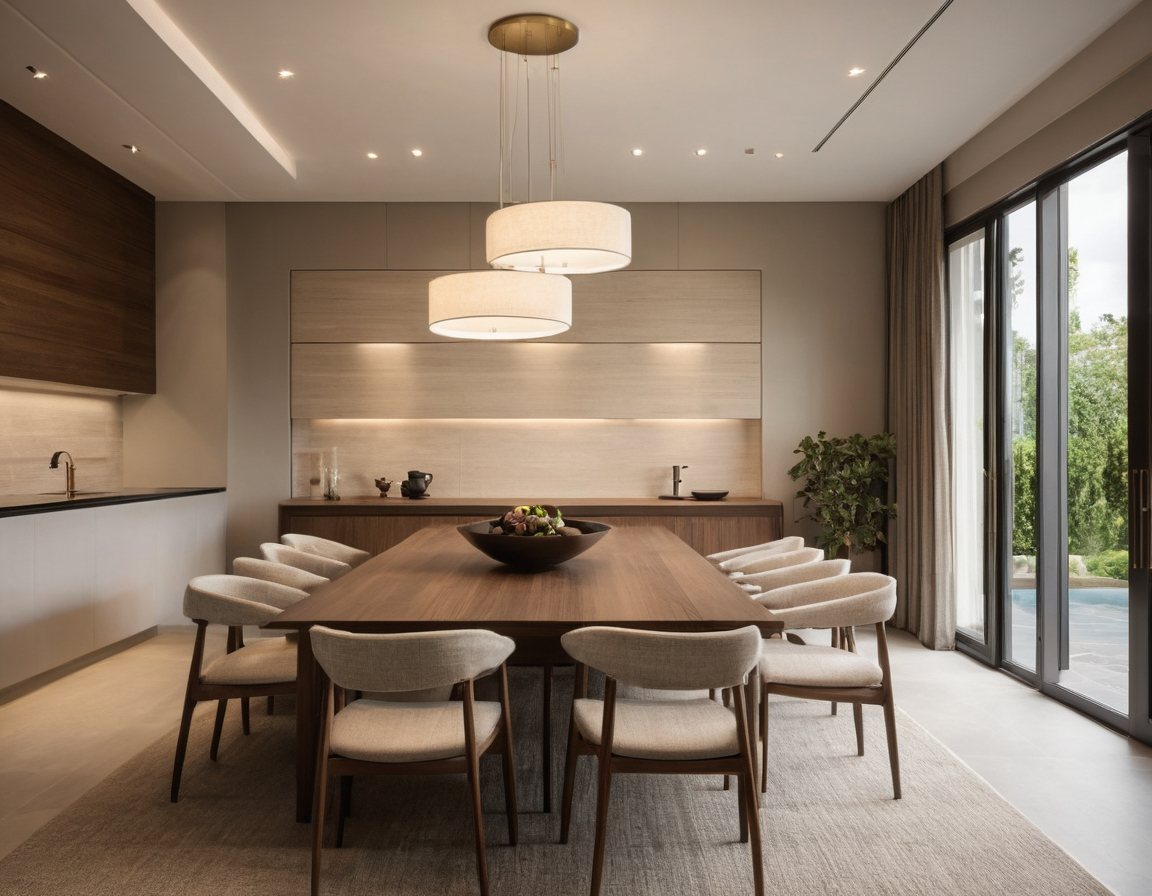
Villa interior design budget FAQ shown with floor, wall, and fixture relationships visible.
Should a villa interior design budget be calculated per room or per square metre?
Use room-by-room costing for approval and procurement. A square-metre benchmark can test whether the overall estimate looks unusual, but it cannot reflect occupant count, window treatments, imported goods, custom joinery or different furnishing intensity between rooms.
Do the 70/30, 70/20/10, or 3-5-7 interior design rules help set a furnishing budget?
No. Those rules may guide visual composition or allocation discussions, but they do not replace measured quantities, supplier quotations, taxes, logistics and installation costs.
What contingency should be carried for imported or custom villa furniture?
Set separate reserves for currency, freight, customs, replacement lead time, storage and installation risk. Base each amount on current quotations, contract terms and comparable local project records rather than applying one universal percentage.
Which villa furnishings must be installed before move-in, and which purchases can wait?
Prioritize beds, mattresses, privacy treatments, functional lighting, essential seating, dining capacity and required office equipment. Secondary art, accessories, occasional furniture and nonessential guest-room pieces can wait when postponement does not compromise privacy, sleep, work or safe circulation.