Can attractive concept images give a contractor enough information to price and build a villa without costly assumptions? Usually not. The owner must commission enough interior design services to produce coordinated, buildable and procurable information before fit-out begins.
Which interior design services should a villa owner commission before fit-out?
The appropriate scope depends on technical risk, procurement complexity and the owner’s capacity to manage decisions, not simply villa size or room count.
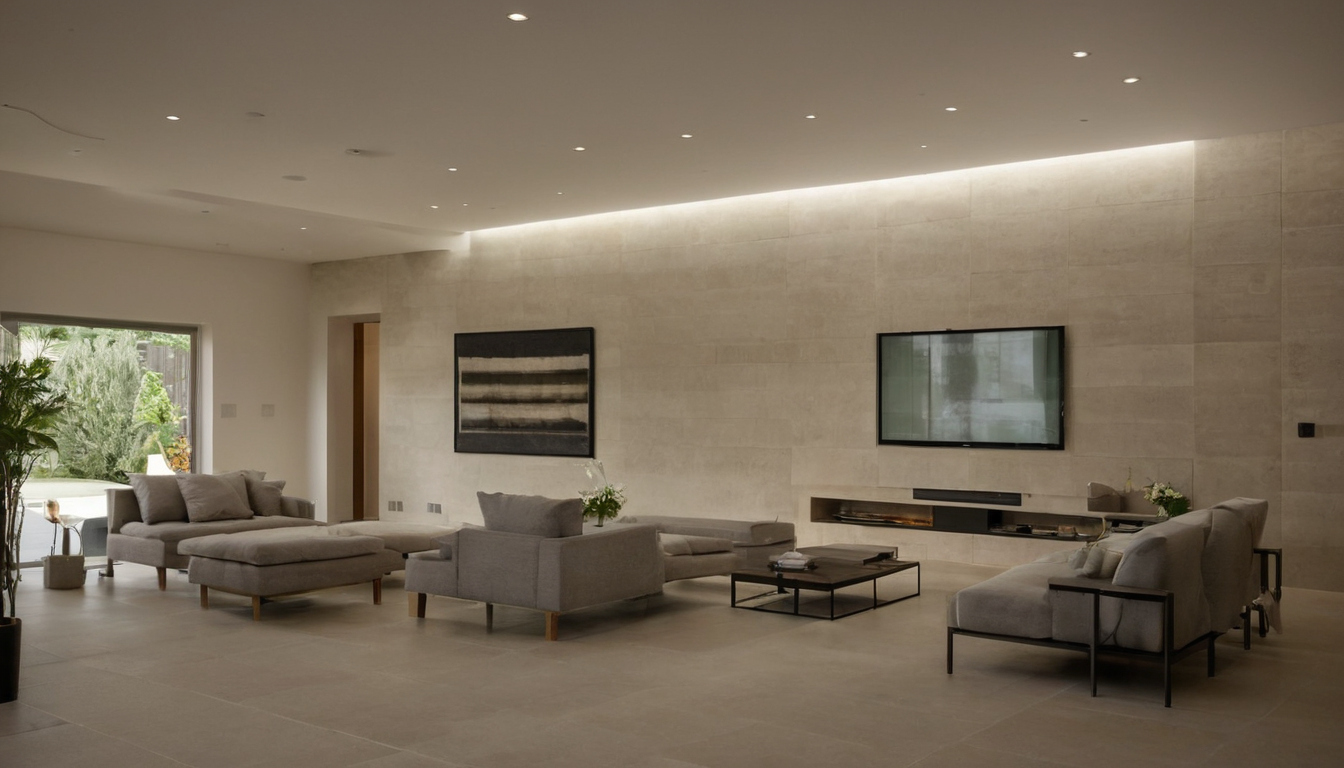
Which interior design services should a villa owner commission before fit-out shown with floor, wall, and fixture relationships visible.
A scope decision should begin with project risk, not room count
- Concept design or styling: suitable for cosmetic changes without service relocation, bespoke joinery, wet-area redesign or permit implications.
- Detailed design and site supervision: appropriate for kitchens, bathrooms, integrated lighting, automation, custom fabrication or phased occupancy. In damp areas, the EPA moisture guide advises prompt correction of wet or damp conditions.
- Procurement or turnkey delivery: useful for imported packages, compressed programmes or owners unable to manage ordering and installation. Private collections may also need preservation planning informed by the National Park Service Museum Handbook.
Concept-only interior design is suitable only when others can complete the technical work
Concept packages establish layouts, finishes and indicative furniture, but often omit coordinated services, fabrication details and schedules. Assign those duties explicitly, particularly for specialist systems addressed by RIBA project overlays covering areas such as security, inclusive design and smart-building technology. The next decision is identifying which professional owns each responsibility.
Interior designers, decorators, architects, contractors, and project managers have different responsibilities
Service labels do not establish technical competence, statutory authority or site responsibility. Each proposal should identify the named professional responsible for every design and delivery task.
| Role | Typical responsibility | Verify before appointment |
|---|---|---|
| Interior designer | Layouts, materials, lighting, joinery, furniture and schedules | Technical documentation, coordination and site services |
| Decorator | Furniture, textiles, artwork and accessories | Whether technical design is excluded |
| Architect and engineers | Building alterations, structure, services and submissions where licensed | Registration, insurance and sign-off authority |
| Contractor | Construction, sequencing, installation and delegated design | Shop drawings, substitutions, quality and programme duties |
| Project manager | Programme, reporting, budget tracking and team coordination | Authority to instruct, approve or certify |
An interior decorator near me is not automatically a technical fit-out designer
A decorator may be well suited to completed rooms, but a complex villa needs coordinated plans, reflected ceiling layouts, joinery details, specifications and schedules. Material knowledge also matters. The U.S. Environmental Protection Agency identifies common VOC sources including paints, varnishes, building materials and furnishings.
House designers near me must be assessed against the villa’s statutory and technical requirements
A broad title does not prove permitting authority or engineering competence. Ask who appoints consultants, signs documents and coordinates code-sensitive changes. Informed by nearly seven years of industry feedback, the RIBA Plan of Work resources include a Design Responsibility Matrix and project strategies covering cost, fire safety, planning, procurement and sustainability. Local law still determines professional authority.
Once roles are clear, the appointment must convert them into stages, deliverables and approval gates.
A complete villa interior design scope should define stages, deliverables, and approval gates
A useful proposal divides the project into stages and names the output, revision allowance, approval date, dependency and exclusion for each one.
The RIBA Plan of Work provides a general eight-stage model covering briefing, design, construction and operation. A villa appointment should translate that framework into project-specific deliverables rather than cite stage names alone.
Concept design establishes direction but does not normally authorize construction
- Record the household brief, survey information, equipment, target budget and decision deadlines.
- Issue layouts, mood boards, preliminary palettes, key-room studies and an initial cost review.
- State revision limits and obtain written approval before design development.
Concept approval should freeze the spatial and material direction. Later changes should be recorded as additional work and assessed for cost and programme effects.
A complete villa interior design scope should define stages, deliverables, and approval gates shown as a planning reference for layout, scale, and material decisions.
Detailed design converts approved villa concepts into coordinated instructions
Detailed documents should address setting out, ceilings, lighting controls, power, data, finishes, bathrooms, kitchens, joinery, doors, hardware, equipment and schedules. dimensioned luxury living room furniture plans, for example, should resolve clearances and product sizes rather than show symbolic furniture.
Tender support tests whether contractor prices cover the same documented scope
- Issue identical clarifications and addenda to every tenderer.
- Compare exclusions, substitutions, allowances and programme assumptions.
- Distinguish design-team review from independent cost-consultancy services.
Comparable prices still require one answer: who coordinates every fixed interface before construction?
Technical coordination must be assigned before the fit-out contractor starts work
Technical coordination must identify who reconciles the interiors with architecture, structure, HVAC, plumbing, electrical services, lighting controls, acoustics, appliances and smart-home equipment.
The drawing package must be coordinated at every fixed interface
A responsibility matrix should name the originator, checker, approver, installer and sign-off party for each system. Coordination should cover ceiling zones, floor build-ups, wall depths, joinery, sanitaryware, controls, grilles and maintenance access.
Verified surveys and setting-out records are essential before fabricating stone, joinery, doors, curtain tracks or appliance housings. Common conflicts include drainage falls meeting bathroom thresholds, lights colliding with ducts and doors losing clearance after floor finishes are installed.
Specifications should also address maintenance. The Natural Stone Institute care guidance recommends neutral cleaners, stone soap or mild detergent with warm water. It warns that abrasive scouring powders and creams can scratch stone.
Shop-drawing review does not transfer the contractor’s fabrication responsibility
The appointment should state that consultant review checks design intent and interfaces. The contractor remains responsible for verified dimensions, quantities, fabrication methods, installation and applicable warranties. Each submittal needs a recorded status, comments, resubmission route and disclosure of deviations.
After technical responsibility is assigned, the owner must define who purchases and controls each product.
Procurement services should state who buys, marks up, stores, insures, and installs each item
Villa procurement is a separate commercial service. The appointment must state whether the designer sources products, acts as purchasing agent, resells goods or manages freight, insurance, storage, defects and installation.
Designer commission and product markup must be disclosed separately from design fees
| Model | Buyer | Main exposure |
|---|---|---|
| Sourcing only | Owner | Owner places and manages orders |
| Purchasing agent | Owner through designer | Agency authority and client funds |
| Reseller | Designer | Markup, tax, returns and warranties |
| Contractor supplied | Contractor | Substitutions and contract compliance |
The commercial schedule should separate design fees, trade discounts, commissions, rebates and resale markups. It should allocate deposits, taxes, customs, freight, damage, storage and warranties. Local legal or accounting review is prudent where a designer controls client funds or resells goods.
Long-lead villa items require approval before the construction programme needs them
A procurement register should record specification, quantity, supplier, lead time, order deadline, payment status, storage location and installer. Appliances, sanitaryware, decorative lighting, stone and custom furniture may affect rough-ins, ceiling closure and joinery fabrication.
For applicable products, ENERGY STAR qualified LED lighting uses at least 75 percent less energy and lasts up to 25 times longer than incandescent lighting. During installation of VOC-emitting products, the EPA recommends increased ventilation.
Procurement authority settled, the owner can distinguish site observation from broader delivery responsibility.
Site supervision, contract administration, and turnkey delivery are not interchangeable
Site supervision may describe occasional design-intent visits, resident inspection, contract administration or project management. Each service carries different authority, workload and liability.
Site visits should have a stated frequency, purpose, and reporting format
Periodic observation checks whether visible work generally follows the design. Resident supervision provides more continuous monitoring. Contract administration may include reviewing variations and payments, issuing permitted instructions, recording completion and managing defects.
The scope should connect visits to frequency or construction triggers such as setting out, concealed services, waterproofing, ceiling closure, prototypes and snagging. Reports should record observations, photographs, responsible parties, deadlines and potential cost or programme effects.
Turnkey convenience concentrates responsibility but can reduce independent oversight
A turnkey provider may design, purchase, build and install, creating one point of responsibility. The same provider may also propose substitutions, price the work and assess its own delivery. Controls can include approved samples, independent testing, milestone inspections, defect procedures, warranties and as-built records.
Site supervision, contract administration, and turnkey delivery are not interchangeable shown as a planning reference for layout, scale, and material decisions.
Regulated, structural, cost or payment decisions may still require independent consultants. Proposals should therefore be compared by retained risk rather than service label.
Villa owners should compare interior design proposals by deliverables, exclusions, and risk
Villa owners should normalize proposals before comparing price. A lower fee may exclude surveys, consultant coordination, technical documentation, procurement administration, revisions or site visits.
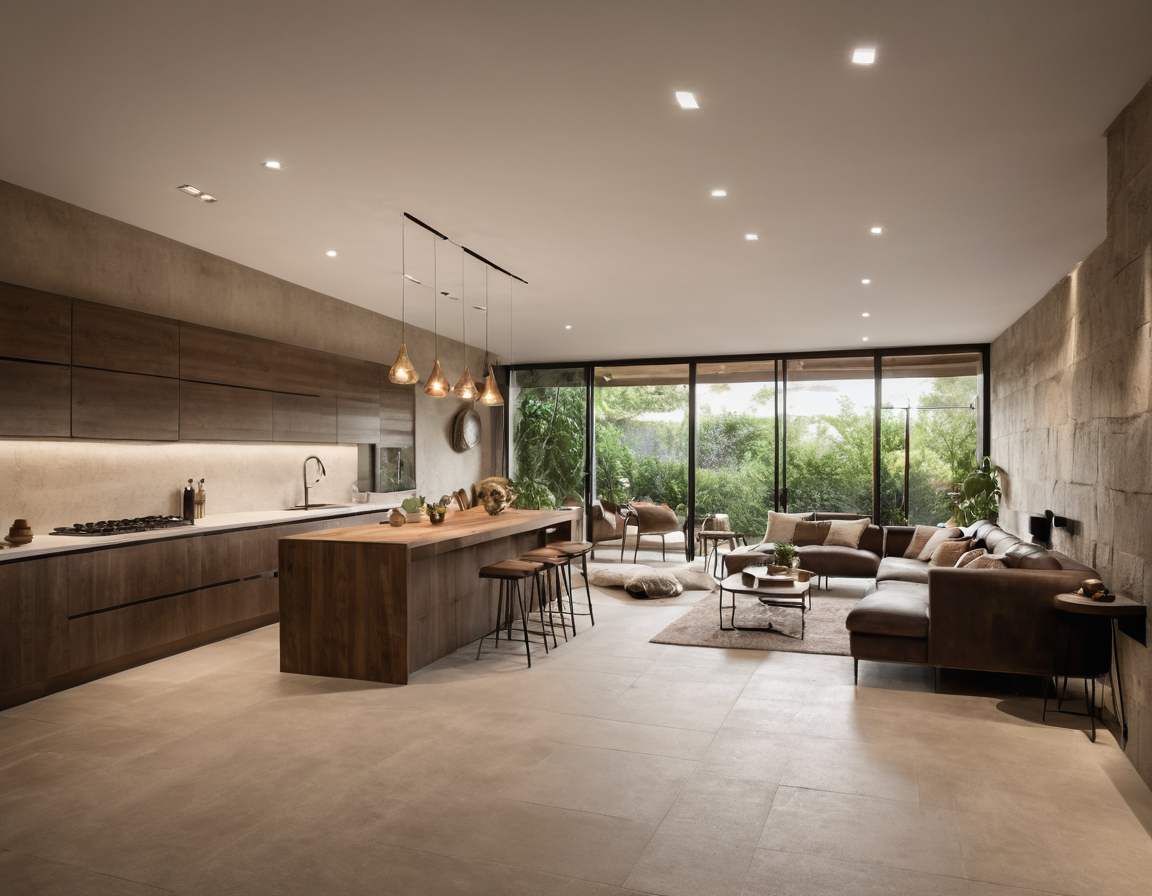
Villa owners should compare interior design proposals by deliverables, exclusions, and risk shown with floor, wall, and fixture relationships visible.
A like-for-like fee comparison must include all expected project stages
| Compare | Record in each proposal |
|---|---|
| Scope | Stage, deliverable, quantity, frequency and responsible party |
| Cost | Fixed, hourly, area-based, percentage, retainer, markup or hybrid fee |
| Exposure | Expenses, assumptions, exclusions, allowances, taxes and optional services |
The appointment should close responsibility gaps before design work begins
- Approve the brief, budget, programme and deliverable schedule.
- Assign every design, coordination, procurement and inspection duty.
- Confirm authority, communication, substitution and change-control procedures.
- Define procurement charges and responsibility for incomplete information.
- Have contract terms reviewed for the project jurisdiction.
Select the proposal that makes responsibility visible, not the portfolio accompanied by the lowest unexplained fee.
Frequently asked questions
How much do interior designers charge for villa projects, and which fee components must be compared?
Fees may be fixed, hourly, area-based, percentage-based or hybrid. Compare design stages, consultant fees, expenses, taxes, procurement charges, markups, site attendance and optional services rather than comparing headline fees alone.
What is the difference between an interior designer and an interior decorator for a villa fit-out?
An interior designer may provide spatial planning, technical documentation, material specifications and coordination. A decorator generally concentrates on furniture, textiles, artwork and surface appearance. Actual duties depend on the appointment and local professional rules.
Does a villa owner need procurement and site supervision as well as detailed interior design?
Usually yes when the project includes custom products, imported goods, specialist installation or significant site coordination. Owners who can manage ordering and construction oversight may commission those services separately.
What should be included in a turnkey villa interior design contract?
The contract should define design deliverables, construction scope, procurement charges, substitutions, approvals, inspections, payment procedures, programme, warranties, defects, insurance, as-built records and independent oversight.
Do rules such as 3-5-7, 70/30, or 80/20 define a professional interior design service scope?
No. Decorative ratios may help organize colours or objects, but they do not allocate technical responsibility, produce construction documents or define procurement and site authority.